Pelvic floor disorders
Find a doctorPelvic floor disorders are related to the muscles, ligaments and connective tissues that support your organs, including your bladder, uterus, urethra and rectum. They hold your organs in place so they can function properly. When any of those structures are weakened or injured, it can cause pelvic floor dysfunction. There’s help available for all kinds of pelvic floor conditions.
What causes pelvic floor dysfunction?
Weakening or injury to the pelvic floor can come from a variety of factors, including:
- Aging: Related to lower levels of hormones after menopause
- Pregnancy and childbirth: Stretching of tissues during pregnancy and childbirth can weaken the pelvic floor
- Obesity or overweight: Carrying extra weight puts pressure on your pelvic floor
- Chronic constipation
- Chronic coughing
- Heavy lifting: Repetitive heavy lifting at work or at home
- Pelvic adhesions: Internal scarring that binds two sets of tissues that shouldn’t be joined
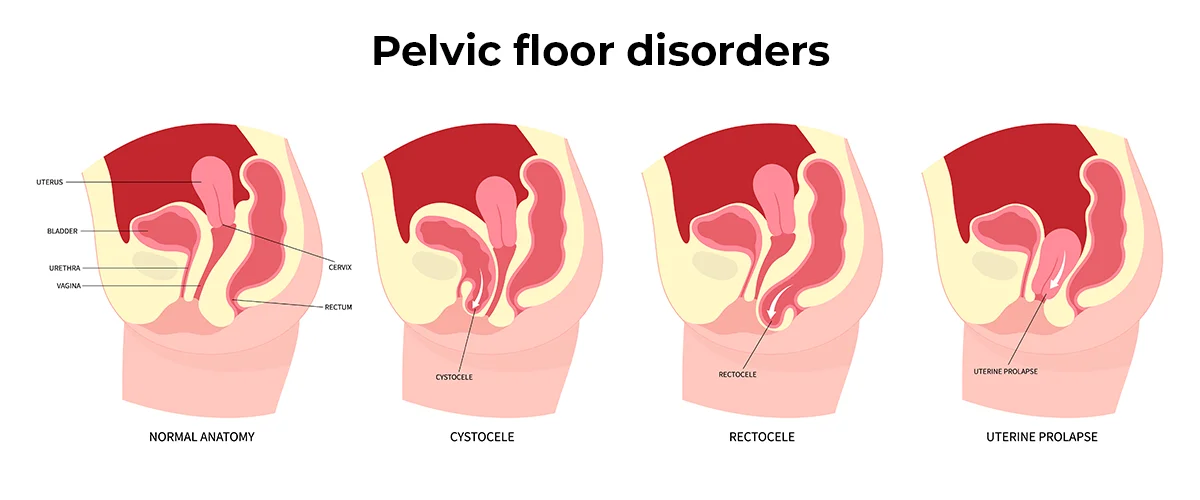
When you have a pelvic floor disorder, it may lead to one of these forms of pelvic organ prolapse: cystocele (prolapsed bladder), rectocele (prolapsed rectum) or uterine prolapse.
Symptoms of pelvic floor disorders
Pelvic floor muscles are important for bladder, bowel and sexual function. If you have a weak, tight or injured pelvic floor, you may have some of the following symptoms:
- Urinary incontinence or problems with bowel movements, such as the leaking of urine or feces with coughing, sneezing or movement
- Constipation
- Frequent urination or overactive bladder
- Pelvic organ prolapse
- Urinary retention
- Bladder or bowel urgency or frequency
- Pain in the pelvis, genitals or rectum
- Post-surgical pain or pelvic dysfunction
- Sexual pain and dysfunction
Diagnosis of pelvic floor dysfunction
When you see a health care provider about any pelvic floor disorders, they’ll want to know if any pain is sharp, stabbing, dull or achy. They’ll also ask if it’s mostly in one spot or if it’s spread over a large area. You’ll have a physical exam and they may order imaging, blood tests, urine tests or other testing to pinpoint the underlying cause of your pain.
They’ll evaluate your back, your core and your pelvic floor. The relationship between your trunk and your pelvis is vital for your success in treatment.
Treatment of pelvic floor disorders
Treatment is customized to meet your needs and comfort levels. It may include:
- Manual therapy
- Behavioral therapy
- Therapeutic exercise
- Education
- Training
- Re-training of muscles and nerves
- Strengthening exercise
- Medications
Pelvic floor physical therapy is one of the available treatments for pelvic floor disorders. Pelvic floor physical therapy treats the muscles in the pelvic area. This special type of therapy helps restore function and alleviate pain within the pelvis.
Pelvic health physical therapists receive specialized training and maintain certifications in order to treat pelvic health problems. Therapy is provided in a discreet, private room and your partner can come with you if that will provide comfort.
Women’s health services
Personalized women’s health care from experts you trust
Get the MyAtriumHealth app
Get test results, message your provider & more.